
Watch video summary
Schedule a Free Consultation Call Today
Discover how we can help you overcome, the latest payment challenges.
Introduction
Digital receipt ownership is becoming an important topic in modern payment systems. For years, receipts have been treated as simple records, often stored by merchants or scattered across different platforms. Today, that perspective is changing. Receipt data is now being recognized as structured financial information that carries real value beyond basic record-keeping.
As payment ecosystems evolve, users are starting to expect more control over their financial data. At Facilero, we see digital receipt ownership as a natural progression in payment infrastructure. It reflects a broader move toward transparency, user control, and smarter use of transaction data in financial environments.
What Digital Receipt Ownership Means in Financial Systems
From Transaction Record to Data Asset
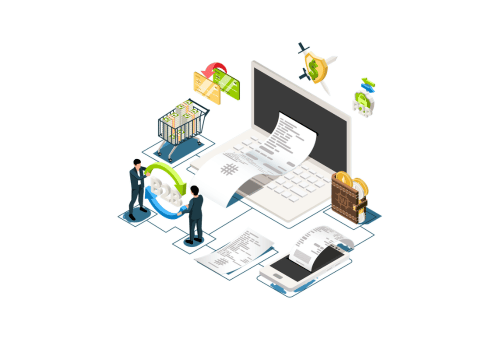
A digital receipt is more than a confirmation of purchase. It includes detailed data such as transaction amount, merchant details, payment method, and timestamps. When structured properly, this data becomes a valuable asset that can support analytics, reporting, and financial insights.
For example, a business analyzing its receipts can identify spending patterns, supplier dependencies, and cost trends. This transforms receipts from static documents into actionable financial tools.
User Control and Data Ownership
Digital receipt ownership places control in the hands of the user. Instead of relying on merchants or third-party platforms to store and manage receipt data, users can access, organize, and decide how their data is used.
This shift introduces a more balanced relationship between users and financial systems. It ensures that individuals and businesses have visibility into their own transaction data while maintaining control over its distribution.
Why Digital Receipt Ownership Is Gaining Importance?
Growth of Data Portability and Open Financial Systems
Open financial systems are making it easier for users to access their transaction data. APIs allow financial applications to retrieve structured data, including receipts, across multiple platforms.
This increased accessibility is driving demand for better data management. Users are no longer satisfied with fragmented records. They expect consolidated, usable information that supports financial decision-making.
Increasing Value of Consumer Financial Data
Receipt data has become a key input for financial insights. Businesses can use it to improve budgeting, forecasting, and expense management. Individuals can track spending habits more accurately.
In some cases, this data can also support personalized financial services. For example, analyzing purchase history can help identify cost-saving opportunities or optimize spending behavior.
How Digital Receipt Ownership Works?
Data Capture, Structuring, and Storage
Digital receipt ownership relies on capturing transaction data at the point of payment. This data is then structured into a standardized format and stored securely.
Modern systems ensure that receipts are accessible in a consistent format, making it easier to analyze and integrate with other financial tools. This structured approach reduces manual effort and improves data reliability.
Controlled Data Sharing and Monetization
One of the more interesting developments is the ability to share receipt data under controlled conditions. Users can choose whether to share their data with specific platforms in exchange for benefits such as discounts or rewards.
For example, a consumer might allow anonymized receipt data to be used for market analysis in return for loyalty incentives. This creates a model where data sharing becomes a value exchange rather than a one-sided process.
Practical Applications in Payment Ecosystems
Expense Tracking and Financial Insights
Digital receipt ownership simplifies expense tracking for both individuals and businesses. Instead of manually collecting receipts, users can access a centralized record of transactions.
This improves accuracy and reduces administrative workload. For businesses, it supports better financial reporting and compliance processes.
Rewards, Incentives, and Data Exchange Models
Some platforms are exploring incentive-based models where users share receipt data in exchange for benefits. These programs can provide discounts, cashback, or access to tailored financial services.
This approach adds a new dimension to payment ecosystems, where transaction data contributes directly to user value.
Benefits of Digital Receipt Ownership
Enhanced Financial Visibility
Having access to structured receipt data improves financial visibility. Users can track spending patterns, monitor budgets, and make informed financial decisions.
This level of insight is particularly valuable in environments with high transaction volumes, where manual tracking would be inefficient.
New Revenue Opportunities Through Data
Controlled data sharing creates potential revenue opportunities. Businesses can use aggregated receipt data for market insights, while users can benefit from incentives linked to data participation.
This shifts receipt data from a passive record to an active component of financial value creation.
Challenges and Considerations
Privacy, Consent, and Data Protection
With increased access to data comes greater responsibility. Payment providers must ensure that receipt data is handled securely and used only with user consent.
Clear data policies and strong security measures are essential to maintaining trust in digital receipt systems.
Standardization and System Integration
One challenge is the lack of standardization across receipt formats. Different systems may store data in varying structures, making integration more complex.
To fully realize the benefits of digital receipt ownership, consistent data standards and seamless system integration are required.
The Future of Data-Driven Payment Systems
Digital receipt ownership is likely to play a larger role as payment systems continue to evolve. Advanced analytics and intelligent financial tools will rely heavily on structured transaction data.
At Facilero, we believe this shift will support more efficient financial operations and better decision-making. Payment systems are no longer just about moving money. They are becoming platforms for managing and leveraging financial data.
Conclusion
Digital receipt ownership represents a meaningful advancement in modern payment systems. By transforming receipts into structured, user-controlled data assets, it improves transparency, enables smarter financial management, and creates new opportunities for value generation. As financial ecosystems become more connected, the role of receipt data will continue to expand, making it an essential component of future payment infrastructure.
How Can Facilero Help You?
Building Payment Systems That Actually Work for Your Business
Let’s be honest, managing payments today isn’t just about accepting transactions anymore. It’s about keeping everything running smoothly behind the scenes while still giving your customers a fast and reliable experience. That’s where the right setup makes all the difference.
At Facilero, we focus on helping businesses create payment environments that are stable, efficient, and easy to manage. Whether you’re handling high transaction volumes or expanding into new markets, the goal stays the same: keep payments flowing without unnecessary friction. And yes, that means fewer headaches for your team and more consistency in your operations.
Keeping Control Without Slowing Things Down
Now, here’s the tricky part. You want strong control over your payment processes, but you don’t want to slow everything down with complexity. Striking that balance isn’t always straightforward, but it’s absolutely necessary.
We approach this by making sure payment systems are structured in a way that supports visibility, reliability, and control without overcomplicating daily operations. When everything is aligned properly, you don’t have to second-guess what’s happening with your transactions. You can focus on growth, knowing the foundation is solid.
Supporting Long-Term Payment Stability
As businesses grow, payment needs change. New regions, new customers, different transaction behaviors, it all adds up quickly. If your payment setup isn’t built to handle that growth, it can hold you back.
That’s why having a partner who understands the broader payment landscape matters. At Facilero, we look at the bigger picture, helping you stay prepared for changes while keeping your current systems running efficiently. No unnecessary complications, just practical solutions that support your business as it evolves.
At the end of the day, payments should support your business, not slow it down. Contact us now and let us help take your business to the next level!