
Watch video summary
Schedule a Free Consultation Call Today
Discover how we can help you overcome, the latest payment challenges.
Introduction to Unified Digital Identity Wallets
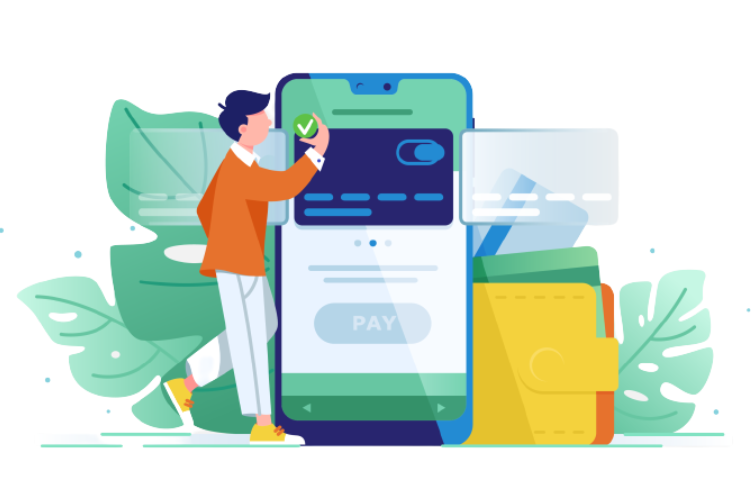
Digital payments have become faster and easier, yet proving identity can still feel like a separate process. Customers may authenticate an account, provide personal information, verify their identity and then complete another authorization step before a transaction is approved. Unified digital identity wallets are being developed to bring some of these processes closer together.
These wallets can store verified identity attributes and digital credentials that users can present when accessing financial services or authorizing certain interactions. At Facilero, we see this as an important development because better authentication isn’t simply about adding more security checks. The real objective should be to maintain strong controls while making legitimate transactions easier to complete.
How Unified Digital Identity Wallets Work?
Combining Verified Identity and Financial Credentials
A unified digital identity wallet allows verified information to be stored securely and presented when required. Depending on the system, this could include proof of identity, age, address or other approved credentials alongside information used within financial services.
Consider a customer opening an account with a financial institution. Instead of repeatedly entering the same personal details and submitting documents, the customer could present verified digital credentials through an accepted wallet. The institution still performs its required checks, but part of the verification process becomes more efficient.
This distinction matters. Unified digital identity wallets aren’t intended to remove financial controls. They provide another way to exchange trusted information.
Connecting Authentication and Payment Authorization
Identity verification, authentication and payment authorization are related, but they aren’t the same thing. Identity verification establishes who someone is. Authentication confirms that the person attempting to access an account or service is the authorized user. Payment authorization then confirms approval of a particular transaction.
Bringing these processes into a more connected environment could reduce unnecessary friction. A customer shouldn’t have to repeat information simply because different parts of a financial journey operate independently.
Why Unified Digital Identity Wallets Matter for Payments?
Reducing Repeated Verification
One of the clearest potential benefits is reusable verification. Customers regularly provide similar information when opening accounts, accessing regulated services or completing higher-risk transactions.
A trusted digital identity credential could allow users to prove specific information without starting from scratch every time. This could shorten onboarding processes and reduce abandonment caused by lengthy verification procedures.
It could also improve data accuracy. Repeated manual entry creates opportunities for mistakes, outdated details and inconsistencies between systems.
Supporting Cross-Border Financial Services
The potential becomes particularly interesting in cross-border payments. Different markets have their own identity systems, financial regulations and verification requirements. Interoperable identity frameworks could make it easier for financial institutions to recognize trusted credentials across participating jurisdictions.
Europe provides an important example. The European Digital Identity Wallet initiative is moving toward broader implementation, with financial use cases including payment authorization and bank-account opening being explored. The direction is significant: digital identity is becoming increasingly connected with mainstream financial infrastructure.
Security and Privacy in Unified Digital Identity Wallets
Greater Control Over Personal Information
Customers shouldn’t need to disclose every piece of personal information when only one verified attribute is required. One important concept behind modern digital identity systems is selective disclosure.
For example, a financial service may need confirmation that a customer meets a particular eligibility requirement without needing unrelated personal data. Allowing verified attributes to be shared selectively can improve privacy while still providing businesses with the information necessary to complete legitimate checks.
From Facilero’s perspective, this balance is important. Convenience shouldn’t come from weakening controls, and security shouldn’t automatically require collecting excessive amounts of customer data.
Strong Authentication Still Matters
A digital identity wallet doesn’t eliminate the need for payment security. Financial institutions and payment providers must still consider authentication requirements, fraud prevention, transaction monitoring and applicable regulations.
Strong Customer Authentication remains particularly relevant in regulated payment environments. The objective, therefore, isn’t authentication without controls. It’s authentication that works more efficiently.
If identity credentials become more valuable, protecting access to those credentials also becomes increasingly important. Device security, credential protection and reliable recovery procedures all need careful consideration.
Challenges Facing Unified Digital Identity Wallets
Interoperability Across Financial Systems
A wallet is only genuinely useful when relevant organizations can recognize and trust the credentials it contains. That requires common technical standards and reliable communication between wallet providers, credential issuers, financial institutions and other participating organizations.
This is where implementation becomes complicated. Payments already involve multiple systems, regulations and operational requirements. Adding identity credentials means interoperability needs to work consistently, not just theoretically.
Building Customer Trust
Consumers also need confidence in how their information is managed. If users don’t understand what they’re sharing, who receives it or how access is controlled, adoption may remain limited.
Financial services deal with highly sensitive interactions, so transparency matters. Customers need straightforward information about authorization and data sharing without being confronted with unnecessarily complicated processes.
The Future of Unified Digital Identity Wallets
Unified digital identity wallets could gradually change how customers interact with financial services. Rather than treating identity verification as an isolated step, financial ecosystems may increasingly connect verified identity, account access and transaction authorization.
The biggest opportunity isn’t eliminating verification. It’s making verification more reusable, secure and appropriate to the transaction taking place.
At Facilero, we believe payment experiences work best when security and usability develop together. As digital identity standards mature, businesses should pay close attention to how authentication can support smoother financial interactions without compromising regulatory responsibilities.
Conclusion
Unified digital identity wallets represent an important development in the relationship between identity and payments. By allowing trusted credentials to be securely presented and potentially reused, they could reduce repetitive verification, improve customer journeys and support more consistent financial interactions across different services and markets.
However, success will depend on interoperability, privacy, customer trust and strong financial controls. The technology may simplify how customers prove who they are, but the underlying responsibility to protect transactions remains firmly in place.
How Can Facilero Help You?
Payment Solutions Built Around Business Requirements
Payment operations aren’t one-size-fits-all. Transaction volumes, customer markets, currencies and operational requirements can vary considerably from one business to another. As companies grow, those differences become increasingly important.
At Facilero, we help businesses navigate modern payment requirements with solutions focused on reliability, efficiency and scalability. We understand that payment performance affects more than the transaction itself. It influences customer experience, internal operations and the ability to expand confidently.
Supporting Efficient Payment Operations
Whether a business is handling international transactions, recurring payments or growing digital volumes, dependable payment infrastructure matters. Facilero focuses on helping businesses create smoother financial operations while keeping practical commercial requirements front and centre.
As payments and digital identity become increasingly connected, businesses need payment partners that understand how quickly the wider financial environment is changing.
Contact us now and let us help take your business to the next level!