
Watch video summary
Schedule a Free Consultation Call Today
Discover how we can help you overcome, the latest payment challenges.
Introduction to Privacy Pouch Payments
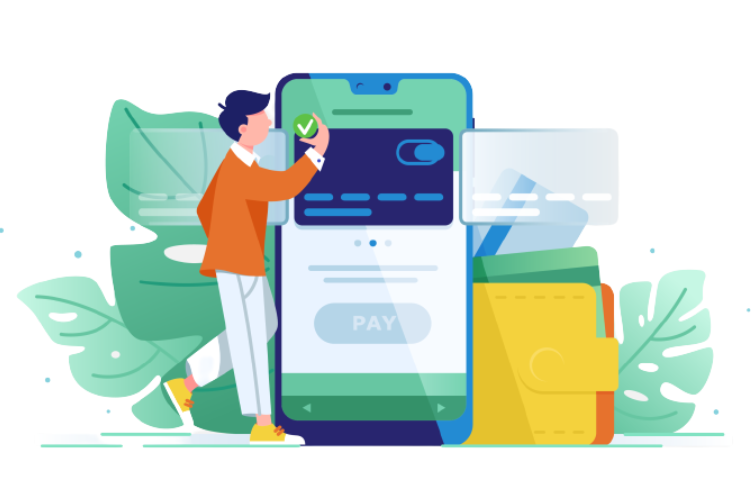
Digital payments are faster and more convenient than ever, but they also create a permanent trail of personal and transactional data. For many users and businesses, that trail is simply too revealing. Privacy pouch payments are emerging as a practical response: payment flows designed to minimize exposed customer details at the point of purchase while still supporting secure authorization and reliable settlement.
In simple terms, a “privacy pouch” approach isolates identity data from transaction execution. The payment still happens, but the merchant receives only what’s required to complete the sale, reconcile it, and manage disputes. The customer’s personal details are limited, masked, or replaced with privacy-preserving references.
At Facilero, we see this trend as part of a broader shift toward data minimization in payments. People aren’t asking for mystery transactions. They’re asking for reasonable discretion, better control of personal information, and fewer unnecessary data handoffs.
Why Transaction Privacy Is Critical in Modern Payments
Customer Data Exposure Risks
Most payment journeys share more data than users realize. Checkout can expose identity signals, device information, location indicators, and purchase metadata. When those details accumulate, the risk profile increases. It’s not only about fraud — it’s also about over-collection, unauthorized profiling, and unnecessary exposure.
Privacy pouch payments reduce these risks by design. Instead of sharing full customer identifiers, the system passes limited-purpose references that prove a payment is valid without exposing the customer’s full identity footprint.
Regulatory and Compliance Considerations
Anonymity and compliance must coexist. Financial systems operate under strict requirements related to risk management, sanctions screening, suspicious activity monitoring, and record retention. Privacy-focused payments must still respect these obligations.
A workable model is selective disclosure. The transaction may remain privacy-preserving for the merchant while the payment provider maintains appropriate regulatory visibility.
How Privacy Pouch Payments Work?
Anonymity Models and Data Limitation Techniques
• Privacy pouch payments usually rely on:
• Tokenization to replace sensitive payment credentials with surrogate values.
• Data minimization to limit what the merchant receives.
• One-time identifiers to prevent replay and reduce credential misuse.
• Privacy-preserving verification to validate payments without revealing unnecessary personal data.
• The goal is consistent: accurate payment approval with minimal identity exposure.
Integration With Payment Systems and Checkout Flows
The privacy layer must integrate smoothly with authorization, refunds, chargebacks, and reconciliation. When implemented well, the user experience is seamless, and the merchant receives a transaction that is easy to process and support.
Practical Use Cases for Privacy Pouch Payments
Consumer Privacy and Sensitive Transactions
Some purchases require discretion — such as health-related items, personal safety products, or sensitive services. Privacy pouch payments reduce the visibility of customer identities, protecting buyers from unnecessary profiling or data linkage.
Business Use Cases and Competitive Advantage
Businesses also benefit. Some organizations do not want vendor purchases to expose internal initiatives or employee data. Privacy pouch mechanisms help reduce unnecessary information sharing while maintaining strong financial reporting.
Security and Risk Management
Protecting Privacy Without Compromising Fraud Controls
Privacy pouch payments strengthen security by reducing exposure of reusable credentials. Fraud checks can still operate using behavioral and device-level signals without revealing personal identifiers to merchants.
Technical Limitations and Risk Considerations
Challenges include ensuring refund workflows remain smooth, maintaining reliable identifiers for disputes, and supporting interoperability across billing systems and marketplaces. Adoption depends heavily on operational reliability.
Future Outlook for Privacy-Focused Payment Technologies
As consumers grow more aware of data exposure and regulators push for data minimization, privacy-focused payment methods will expand. Tokenization, limited-data checkout flows, and structured privacy controls are likely to become standard. At Facilero, we see privacy evolving into a measurable component of payment quality.
Conclusion
Privacy pouch payments introduce a practical way to reduce unnecessary data exposure while maintaining secure and compliant payment flows. By limiting the personal details shared with merchants, businesses lower their risk and build greater customer confidence. As digital commerce continues to expand, privacy-preserving design will become an expectation rather than an option.
How Facilero Supports Your Payment Strategy?
Selecting a payment partner isn’t just about technical capability — it’s about working with a team that genuinely understands how financial systems behave under real operational pressure. Businesses today deal with rapid shifts in regulatory requirements, rising transaction volumes, risk assessments, and customer expectations that change faster than ever. Having a knowledgeable payments partner makes all the difference when accuracy and reliability are non-negotiable.
At Facilero, we focus on supporting companies that want stable, predictable, and well-structured payment performance. Whether a business is scaling into new regions or optimizing existing processes, the goal remains the same: improve decision-making, strengthen financial workflows, and reduce operational noise. When payment systems are aligned correctly, everything downstream — from settlement timing to reporting quality — becomes easier to manage.
Strengthening Your Operations With Better Payment Oversight
Modern businesses can’t afford uncertainty in the way their payments move. Inconsistent approvals, slow reconciliation cycles, or unclear routing logic create real financial strain over time. That’s why having experienced guidance matters. Clear processes improve transaction reliability, lower preventable losses, and help teams stay compliant without constantly reacting to surprises.
Companies often discover that even small improvements in payment routing, authentication, or risk evaluation can make a measurable impact on performance. Facilero helps businesses identify these opportunities so they’re not left guessing — they’re acting with purpose and clarity.
Why Businesses Value the Right Payment Partner
When organizations gain better control over their payment strategies, they also gain better control over their growth. Efficient systems reduce friction for customers, increase approval rates, and create a smoother financial picture for decision-makers. Even more importantly, businesses can adapt faster when market conditions change, because their foundation is stable and data-driven.
Facilero’s role is to support companies through those improvements with a practical, grounded approach. No over-promising. No vague claims. Just clear guidance backed by industry knowledge and an understanding of how modern payment systems actually operate.
If your business is ready to improve performance, strengthen financial oversight, and operate with greater confidence, we’re here to support that next step. Contact us now and let us help take your business to the next level!
Get A Free Consultation
Book a free call with us to discuss how we can help you expand in new regions, scale, and get the cash flowing in your business.